First-Time Travel Guide to Morocco: Everything You Need to Know
Planning your first trip to Morocco? This fascinating North African country offers an unforgettable mix of ancient cities, colorful souks, dramatic mountain landscapes, golden Sahara dunes, and warm Moroccan hospitality. From exploring the historic streets of Marrakech to spending a night beneath the stars in the Sahara Desert, Morocco offers experiences for every kind of traveler.
However, knowing where to go, when to visit, what to pack, and how to get around can make a big difference to your journey.
In this first-time travel guide to Morocco, we'll cover the essential information you need to plan a memorable adventure, whether you're visiting for a few days or organizing a longer tour across the country.
1. Where Is Morocco?
Morocco is located in North Africa, bordering the Atlantic Ocean and the Mediterranean Sea. It shares land borders with Algeria and is situated close to Spain, making it an accessible destination for travelers from Europe and beyond.
The country is known for its diverse landscapes, including historic imperial cities, the Atlas Mountains, Atlantic beaches, traditional Berber villages, and the spectacular Sahara Desert.
Morocco's cultural heritage reflects Arab, Amazigh (Berber), African, and Mediterranean influences. This diversity can be seen in its architecture, cuisine, music, handicrafts, and everyday life.
2. Best Places to Visit in Morocco
If you're visiting Morocco for the first time, consider combining its famous cities with natural landscapes and authentic local experiences.
Marrakech: The Red City
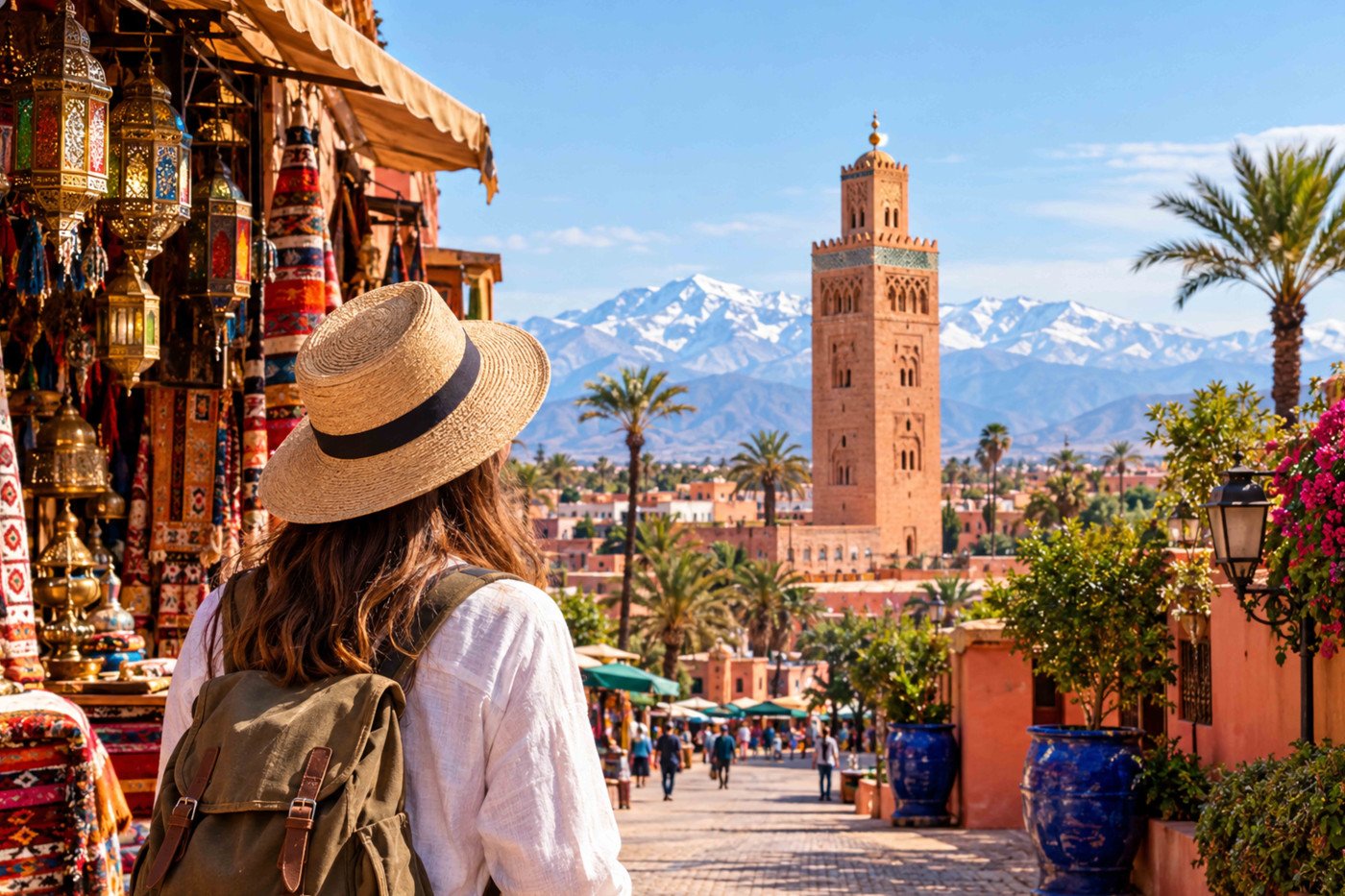
Marrakech is one of Morocco's most popular destinations and an excellent starting point for your adventure. Wander through the lively medina, discover traditional souks, admire the Bahia Palace, and experience the atmosphere of Jemaa el-Fnaa square.
Don't miss the city's beautiful gardens, traditional riads, rooftop restaurants, and Moroccan cuisine.
Marrakech is also a convenient base for day trips to the Atlas Mountains, Ourika Valley, Ouzoud Waterfalls, Essaouira, and the Agafay Desert.
Fes: A Journey into Moroccan History
Fes is famous for its historic medina, traditional craftsmanship, and centuries-old cultural heritage. Explore its narrow alleyways, visit historic madrasas, discover artisan workshops, and experience a different side of Moroccan life.
Fes is particularly rewarding for travelers interested in history, architecture, and traditional Moroccan culture.
Chefchaouen: The Blue City
Nestled in the Rif Mountains, Chefchaouen is known for its beautiful blue-painted streets, mountain scenery, and relaxed atmosphere. It's a wonderful destination for photography, leisurely walks, and discovering local handicrafts.
Merzouga and the Sahara Desert
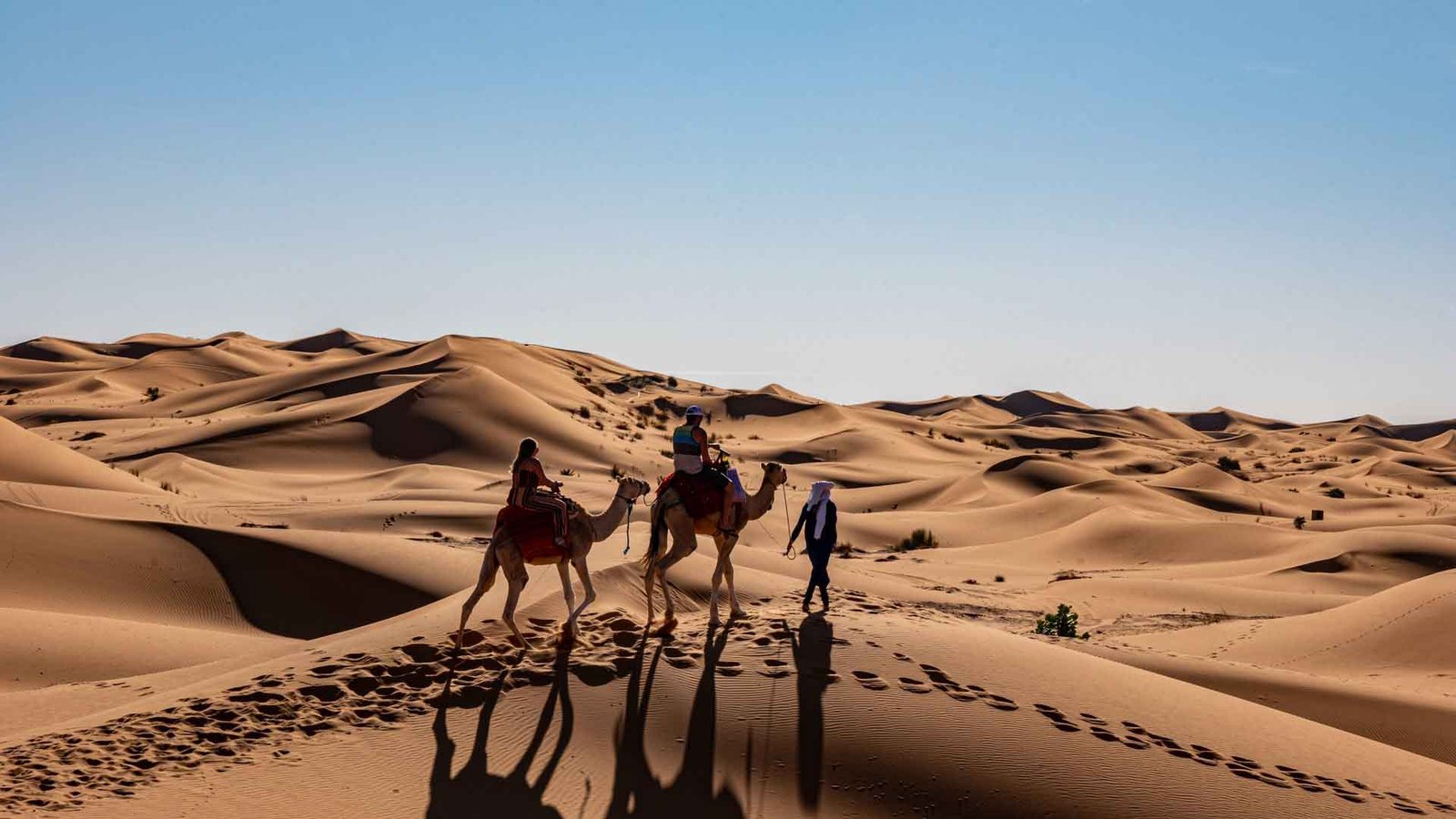
A Sahara Desert experience is a highlight of many trips to Morocco. Near Merzouga, the impressive Erg Chebbi dunes create a spectacular landscape of golden sand.
Depending on your itinerary, you can enjoy a camel ride, watch the sunset over the dunes, spend a night in a desert camp, and admire the star-filled night sky.
A multi-day desert tour from Marrakech or Fes can also include the Atlas Mountains, traditional villages, the Todra Gorge, the Dades Valley, and Aït Ben Haddou.
Essaouira: The Atlantic Coast
Essaouira is a charming coastal city known for its historic medina, fishing harbor, sea views, and fresh seafood. Its relaxed atmosphere makes it an excellent destination for a day trip from Marrakech or a longer coastal stay.
The Atlas Mountains and Aït Ben Haddou
For travelers who enjoy nature and history, the Atlas Mountains offer beautiful valleys, mountain villages, and scenic drives. The fortified village of Aït Ben Haddou, recognized as a UNESCO World Heritage Site, is another memorable stop on many southern Morocco itineraries.
3. When Is the Best Time to Visit Morocco?
Morocco can be visited throughout the year, but the best time depends on the regions you plan to explore and the activities you want to enjoy.
Spring (March to May): Often one of the most comfortable seasons for sightseeing, mountain excursions, and desert tours.
Autumn (September to November): Another excellent period for exploring imperial cities, traveling through the Atlas Mountains, and visiting the Sahara Desert.
Summer (June to August): Coastal destinations can be pleasant, while Marrakech and inland desert regions can experience very high temperatures. Plan outdoor activities carefully and avoid the hottest hours.
Winter (December to February): Cities can be enjoyable to explore, but mountain areas may be cold, with snow at higher elevations. Desert nights can also become very chilly.
For many first-time visitors, spring and autumn are good choices for combining cities, mountains, and the desert in one itinerary.
4. How Many Days Do You Need in Morocco?
The ideal duration depends on your interests, travel pace, and arrival airport.
-
3–4 days: Focus on Marrakech and nearby attractions, or choose a short regional itinerary.
-
5–7 days: Combine Marrakech with a desert experience or a selection of nearby destinations.
-
8–10 days: Explore several cities and landscapes, potentially including Marrakech, the Sahara Desert, and Fes.
-
12–14 days: Enjoy a more comprehensive journey through imperial cities, mountain regions, desert landscapes, and the Atlantic coast.
Remember that Morocco is larger than many visitors expect. Driving between major destinations can take several hours, so allow enough time for scenic stops and rest breaks.
If you want to visit the Sahara Desert from Marrakech and continue to Fes, a multi-day route is usually more comfortable than trying to fit the journey into a short stay.
5. What Should You Know About Moroccan Culture?
Morocco is known for its hospitality and rich cultural traditions. A few simple tips can help you enjoy a more respectful and rewarding experience.
Dress comfortably and respectfully. Lightweight clothing is ideal in warm weather. In traditional neighborhoods and religious settings, modest clothing is generally appreciated.
Learn a few local expressions. Arabic and Amazigh languages are widely spoken, while French is common in many cities and tourism settings. English is also spoken in many tourist areas. A friendly “Salam Alaikum” (hello) or “Shukran” (thank you) can be appreciated.
Ask before taking photographs. Always seek permission before photographing people, particularly artisans, vendors, or residents.
Respect local customs. Morocco is a predominantly Muslim country. During Ramadan, opening hours and daily routines may change, so check arrangements before your visit.
Enjoy Moroccan hospitality. Mint tea is an important part of Moroccan hospitality. Accepting an invitation for tea can be a lovely opportunity to learn about local traditions.
6. What Should You Eat in Morocco?
Moroccan cuisine is one of the highlights of traveling through the country. Traditional dishes combine aromatic spices, fresh ingredients, and regional influences.
Some popular foods to try include:
-
Tagine: A slow-cooked dish prepared with vegetables, chicken, lamb, beef, or other ingredients.
-
Couscous: A traditional dish often served with vegetables and meat.
-
Pastilla: A savory-sweet pastry traditionally associated with festive meals.
-
Harira: A nourishing soup often enjoyed during Ramadan.
-
Moroccan mint tea: A well-known drink served in homes, cafés, and riads.
-
Fresh bread and local pastries: Excellent additions to breakfast or a quick snack.
If you have food allergies or dietary requirements, explain them clearly when ordering. In busy markets and unfamiliar establishments, choose food and drinking water carefully.
7. How Can You Get Around Morocco?
There are several ways to travel around Morocco, depending on your budget, itinerary, and preferred level of flexibility.
Trains: Useful for connecting major cities such as Marrakech, Casablanca, Rabat, and Fes, depending on the route.
Buses: A practical option for reaching many towns and cities.
Rental cars: Offer flexibility for independent travelers who are comfortable driving in unfamiliar conditions.
Private transfers and guided tours: Convenient for travelers who prefer door-to-door transport, local assistance, and planned stops along the way.
For longer routes through the Atlas Mountains and the Sahara Desert, a private tour can simplify logistics and allow you to enjoy scenic destinations without organizing every transfer yourself.
When choosing a tour, check what is included, such as accommodation, meals, activities, entrance fees, and the type of transport provided.
8. Essential Travel Tips for First-Time Visitors
Before leaving home, keep these practical tips in mind.
-
Check entry requirements: Passport validity and visa requirements depend on your nationality. Confirm the latest requirements before departure.
-
Carry some Moroccan dirhams: Cash is useful in markets, small shops, rural areas, and some cafés. ATMs are available in many cities.
-
Stay connected: Consider a local SIM or eSIM if your phone supports it.
-
Pack for different temperatures: Even warm days can be followed by cold desert nights, particularly in winter.
-
Protect yourself from the sun: Bring sunscreen, sunglasses, a hat, and a reusable water bottle.
-
Agree on prices beforehand: Confirm the price of taxis, activities, and services before accepting them when a fixed price is not displayed.
-
Use reputable guides and tour operators: This can make excursions easier to organize and help you understand the places you visit.
-
Keep important belongings secure: Use ordinary travel precautions in crowded markets, stations, and tourist areas.
-
Allow enough time for driving: Mountain roads and long-distance routes can take longer than expected.
9. Is Morocco Suitable for First-Time Travelers?
Yes. Morocco can be an excellent destination for first-time visitors, especially when the itinerary matches their interests and available time.
Major tourist destinations offer a range of accommodation, transport, restaurants, guided experiences, and activities. Travelers who prefer independence can explore by train, bus, or rental car, while those seeking convenience may prefer an organized private tour.
As with any destination, stay aware of your surroundings, respect local customs, and check current travel advice before departure.
If this is your first visit, starting with Marrakech and adding a carefully planned excursion can be a manageable way to discover the country before returning for a longer adventure.
10. Plan Your First Morocco Adventure
Your first trip to Morocco can be as relaxing or adventurous as you wish. You might spend your days exploring Marrakech's colorful medina, discovering the historic streets of Fes, hiking in the Atlas Mountains, enjoying the Atlantic coast, or sleeping beneath the stars in the Sahara Desert.
The key is to choose an itinerary that gives you enough time to experience each destination without rushing between places.
At Adventure to Morocco Travel Agency, we help travelers discover Morocco through private tours, desert adventures, day trips, and tailor-made itineraries. With departures available from destinations including Marrakech, Casablanca, Fes, Agadir, Tangier, and Ouarzazate, you can plan a journey that fits your travel style and schedule.
Explore our Morocco tours and let us help you create an unforgettable Moroccan adventure.
Ready to discover Morocco? Contact Adventure to Morocco Travel Agency to start planning your trip.
Frequently Asked Questions About Traveling to Morocco
Is Morocco good for first-time travelers?
Yes. Morocco offers a wide range of destinations, accommodation, transport options, and guided experiences. Planning your route in advance helps you make the most of your stay.
What is the best month to visit Morocco?
April, May, September, and October are often good choices for comfortable sightseeing across several regions. Weather varies by destination, so check conditions for your planned route.
Is one week enough to visit Morocco?
One week is enough to explore selected destinations, such as Marrakech and a Sahara Desert route, but it may not be enough to see the entire country. Choose a focused itinerary to avoid spending too much time on the road.
How much does a trip to Morocco cost?
The cost depends on your accommodation, transport, activities, dining choices, and travel season. Independent travel can suit different budgets, while private tours typically cost more in exchange for convenience and personalized arrangements.
Should I book a Morocco desert tour in advance?
Booking in advance is a good idea during popular travel periods, especially if you want a particular desert camp, private vehicle, or customized itinerary. Confirm the itinerary, inclusions, and cancellation terms before paying.
Can I visit the Sahara Desert from Marrakech?
Yes. Multi-day tours from Marrakech commonly travel through the Atlas Mountains and southern Morocco to reach the Merzouga area. Allow several days for a more comfortable journey and a desert overnight experience.
What should I wear when visiting Morocco?
Lightweight, breathable clothing is useful in warm weather. Modest clothing is generally appreciated in traditional neighborhoods and religious settings. Pack layers for mountain areas and cold desert evenings.
Do I need a guide in Morocco?
A guide is not essential everywhere, but a qualified local guide can add historical context and help you navigate complex medinas. Organized tours can also make longer routes and desert excursions easier to manage.