Fes and Its Historic Medina: A Complete Travel Guide
Fes is one of Morocco's most fascinating destinations, offering an extraordinary journey into the country's history, architecture, craftsmanship, and cultural traditions. Known for its ancient medina, traditional souks, historic madrasas, and centuries-old artisan workshops, Fes provides a glimpse into a Morocco where many customs and crafts have been preserved across generations.
For travelers seeking an authentic cultural experience, visiting Fes is an opportunity to discover a different side of the country beyond the bustling streets of Marrakech and the golden dunes of the Sahara Desert.
In this guide, we'll explore the highlights of Fes and its historic medina, the best things to do, when to visit, and practical tips to help you plan your journey.
1. Discover Fes, Morocco's Cultural Capital
Founded in the late 8th century, Fes developed into one of Morocco's most important centers of religion, education, trade, and craftsmanship. Its historic significance is reflected in its mosques, madrasas, fountains, palaces, and traditional houses.
The city is particularly famous for Fes el-Bali, its oldest medina, a UNESCO World Heritage Site recognized for its outstanding historic urban fabric and cultural importance.
Walking through the medina feels like stepping into another era. Narrow alleyways wind between centuries-old buildings, donkeys transport goods through busy passages, and artisans continue traditional techniques in workshops passed down through generations.
Fes is an ideal destination for travelers who enjoy history, architecture, photography, local food, and cultural discovery.
2. Explore Fes el-Bali: The Historic Medina
Fes el-Bali is the heart of the city's historic identity. Its dense network of streets contains markets, mosques, traditional houses, workshops, and small squares where everyday life unfolds.
As you explore, you may encounter stalls selling colorful ceramics, handmade leather goods, brass lanterns, woven textiles, spices, and traditional Moroccan clothing.
The medina is also home to beautiful architectural details, including carved cedarwood, intricate geometric tilework known as zellige, decorative plasterwork, and elaborately designed doorways.
One of the most rewarding ways to discover Fes el-Bali is to explore with a qualified local guide. The medina can be difficult to navigate independently, and a guide can explain the history of its neighborhoods, introduce you to traditional crafts, and help you discover places you might otherwise miss.
Remember to wear comfortable walking shoes, as many streets are uneven and some passages are steep or crowded.
3. Visit the Chouara Tanneries
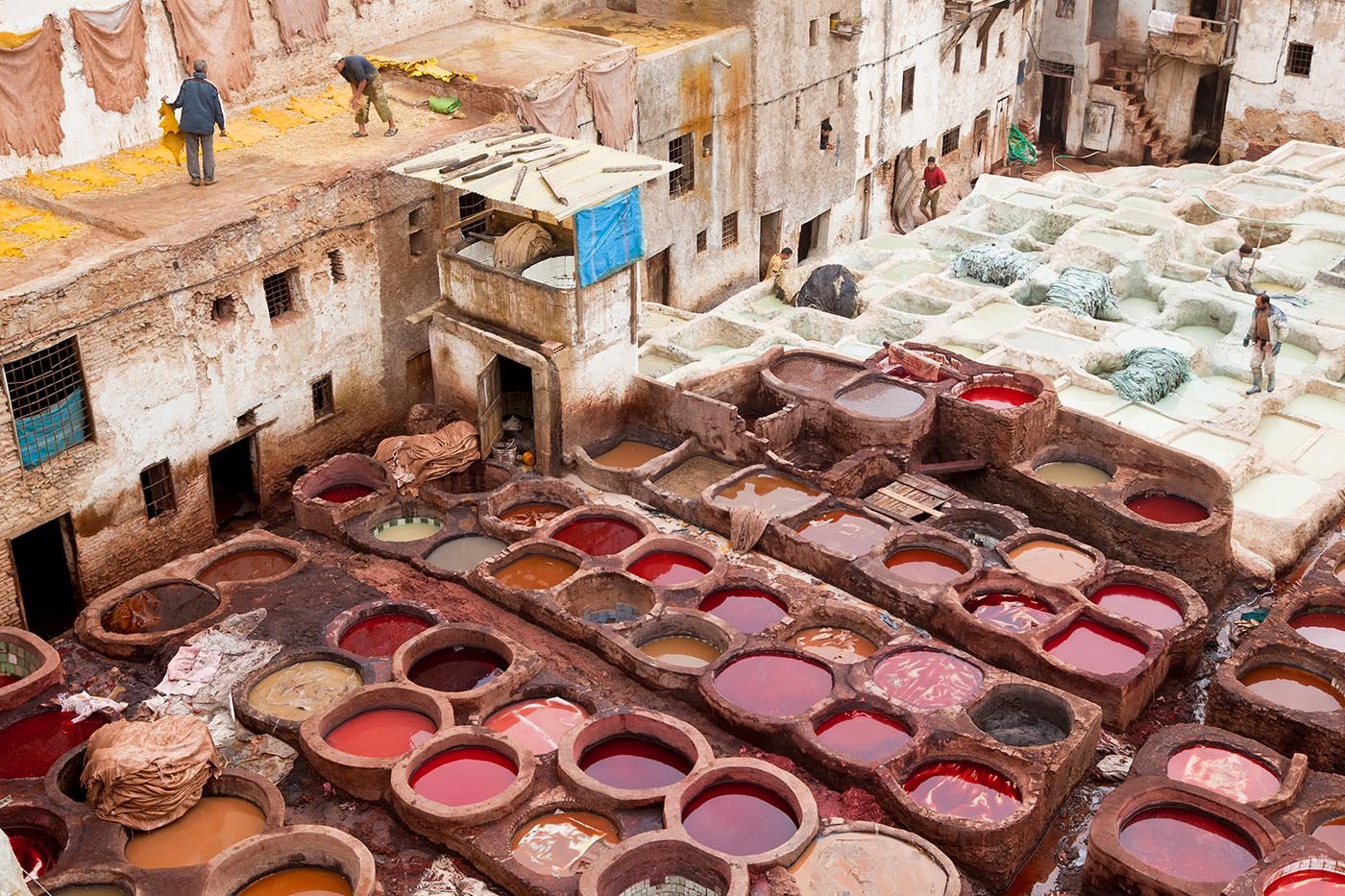
The Chouara Tanneries are among the most recognizable sights in Fes. They demonstrate a traditional leather-processing craft that has played an important role in the city's economy for generations.
From nearby terraces, visitors can observe numerous stone vats used during different stages of leather production. The colorful scene of workers processing and dyeing hides creates one of the city's most distinctive views.
Leather products made in Fes include bags, slippers, belts, jackets, and other handcrafted items.
If you plan to visit a leather shop overlooking the tanneries, ask about any expectations regarding purchases before entering. Prices and quality vary, so compare products and agree on prices before buying.
The smell around the tanneries can be strong, particularly in warm weather. Visitors who are sensitive to odors may prefer a shorter visit.
4. Discover Al Quaraouiyine and Fes's Educational Heritage
Fes has long been an important center of learning in the Islamic world. One of its most celebrated institutions is Al Quaraouiyine, founded in the 9th century and widely recognized as one of the world's oldest continuously operating educational institutions.
The surrounding historic district reflects the city's longstanding role as a center of scholarship, religious study, and intellectual exchange.
Access to parts of the complex may be restricted, particularly in areas used for worship. Visitors should respect local rules and confirm current access arrangements before planning a visit.
Even when interior access is unavailable, exploring the surrounding streets offers a rewarding opportunity to appreciate the city's architectural and historical significance.
5. Admire the Bou Inania Madrasa
The Bou Inania Madrasa is one of the most impressive examples of Marinid architecture in Fes. Built in the 14th century, it is known for its detailed decorative craftsmanship and harmonious architectural design.
Visitors can admire carved cedarwood, elaborate plasterwork, geometric zellige tilework, and a courtyard that demonstrates the refinement of traditional Moroccan design.
The madrasa provides a wonderful introduction to the craftsmanship that distinguishes many historic buildings in Fes.
When visiting, take time to observe the small details. The precision of the tile patterns, the depth of the carved wood, and the interplay of light and shadow reveal the skill of the artisans who created these spaces.
Check opening hours and visitor access before your visit, as arrangements can change.
6. Visit the Nejjarine Museum of Wooden Arts and Crafts
Located near the historic Nejjarine Fountain, the Nejjarine Museum of Wooden Arts and Crafts celebrates Morocco's woodworking traditions.
Housed in a restored historic building, the museum showcases the artistry of traditional wooden objects, tools, furnishings, and decorative craftsmanship.
The building itself is also a highlight, with architectural details that reflect the elegance of historic Fes.
The museum is an excellent stop for travelers interested in traditional Moroccan design, artisan techniques, and the city's cultural heritage.
7. Discover the Royal Palace Gates and the Mellah
The Royal Palace of Fes, known as Dar al-Makhzen, is famous for its impressive exterior gates decorated with brass, colorful tilework, and intricate geometric patterns.
Although the palace interior is generally not open to ordinary public sightseeing, the gates are a popular place to admire Moroccan craftsmanship and take photographs.
Nearby, the historic Mellah offers another perspective on the city's past. This former Jewish quarter features distinctive architecture and reflects the long history of Jewish communities in Fes.
Exploring this area provides a broader understanding of the city's diverse cultural heritage.
8. Experience the Flavors of Fes
Moroccan cuisine is an essential part of any visit to Fes. The city is particularly well known for its culinary traditions, which combine aromatic spices, carefully prepared ingredients, and recipes passed down through generations.
Here are some local dishes and treats worth trying:
-
Pastilla: A celebrated savory-sweet pastry traditionally prepared with poultry, almonds, and fragrant spices.
-
Traditional tagine: A slow-cooked dish prepared with vegetables, chicken, lamb, beef, or other ingredients.
-
Harira: A flavorful soup commonly enjoyed during Ramadan and throughout the year.
-
Bissara: A comforting broad-bean or split-pea soup often served with olive oil and spices.
-
Khobz: Traditional Moroccan bread served with many meals.
-
Mint tea: A classic part of Moroccan hospitality.
Explore local bakeries, small restaurants, and traditional eateries to experience the city's food culture. Choose establishments with good hygiene practices, and mention any dietary requirements when ordering.
9. Shop for Traditional Moroccan Handicrafts
Shopping in the medina is an experience in itself. Fes is particularly famous for its leatherwork, ceramics, metalwork, woven textiles, and traditional embroidery.
Popular souvenirs include:
-
Handcrafted leather slippers and bags.
-
Colorful Moroccan ceramics and pottery.
-
Brass lanterns and decorative metalwork.
-
Traditional rugs and woven textiles.
-
Locally made soaps, spices, and fragrances.
Take your time when shopping, compare quality, and ask about the origin and materials of products. Bargaining is common in many traditional souks, but it should remain friendly and respectful.
If you're purchasing fragile ceramics or larger handicrafts, ask about packaging and shipping options.
10. The Best Time to Visit Fes
Spring and autumn are often the most comfortable seasons for exploring Fes on foot.
Spring (March to May): Pleasant conditions often make this a great time for sightseeing, exploring the medina, and enjoying outdoor cafés.
Autumn (September to November): A good period for cultural visits and walking tours, with temperatures often becoming more comfortable after summer.
Summer (June to August): Fes can become very hot. Plan outdoor exploration for the morning or late afternoon, take breaks, and stay hydrated.
Winter (December to February): Temperatures can be cool, especially in the evenings, and rainfall is possible. Bring layers and check the forecast before your trip.
For the best experience, allow enough time to explore the medina without rushing and schedule your most demanding walks during cooler parts of the day.
11. How Many Days Should You Spend in Fes?
The right length of stay depends on your interests and whether Fes is part of a longer Morocco itinerary.
One day: Visit selected highlights, such as Fes el-Bali, Bou Inania Madrasa, the tanneries, and a traditional souk. A local guide can help you make the most of limited time.
Two days: Spend one day exploring the historic medina and another discovering museums, the Royal Palace gates, the Mellah, and local cuisine.
Three days: Enjoy a slower pace, visit additional cultural attractions, take a cooking or craft experience, and explore neighborhoods beyond the main tourist routes.
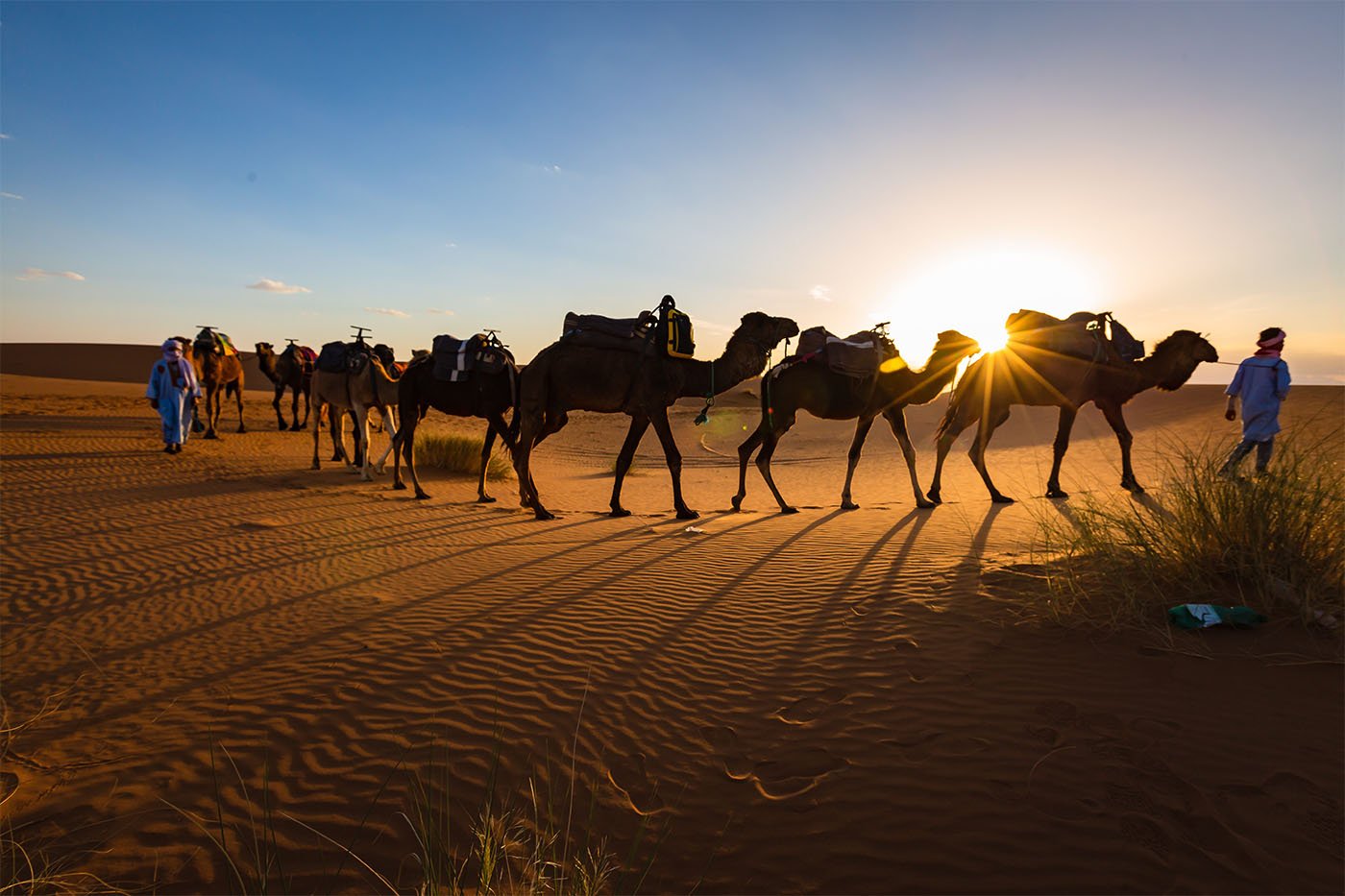
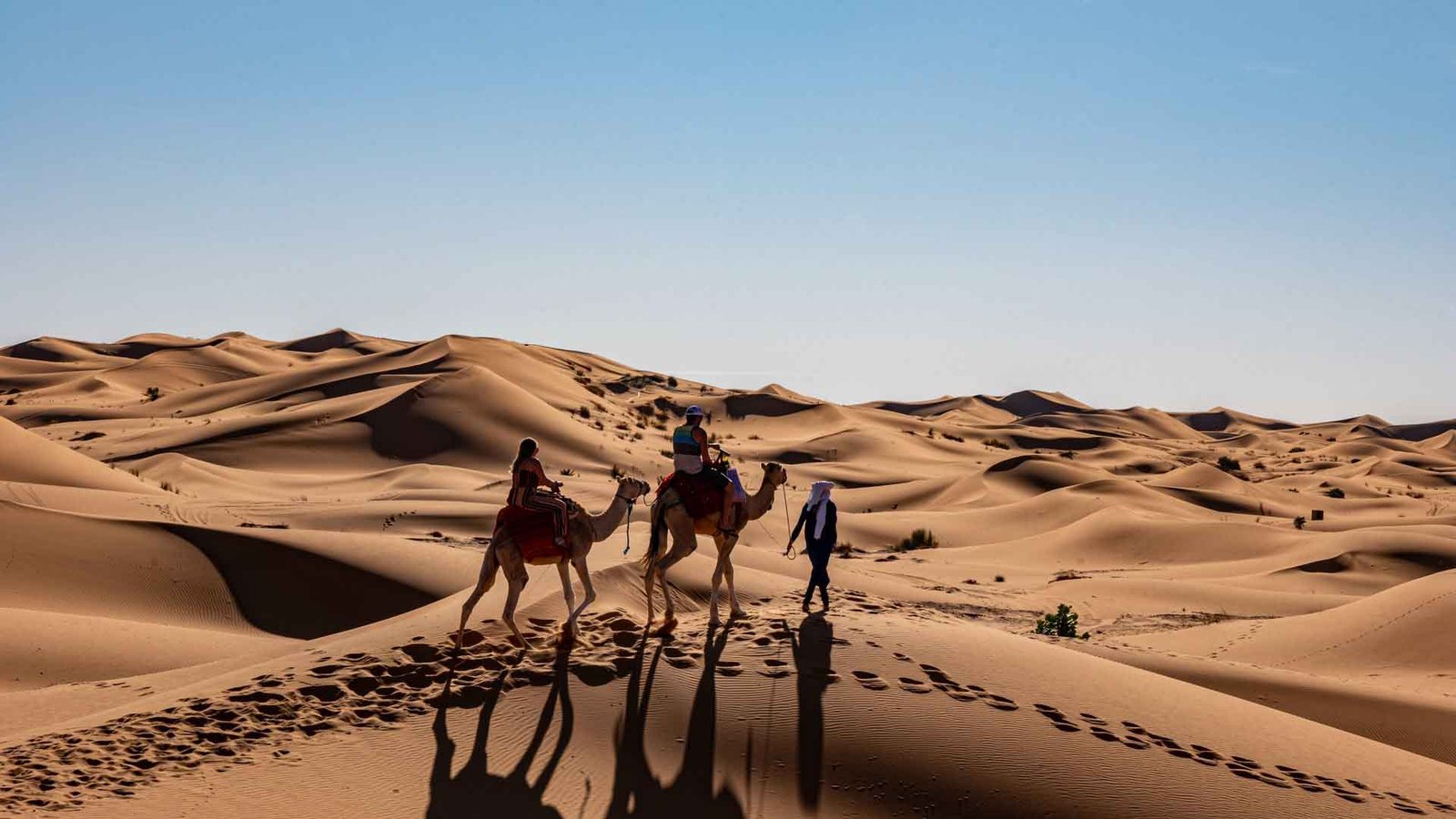
Fes can also be included in a longer trip connecting Morocco's imperial cities or in a multi-day journey between Fes and the Sahara Desert.
If you plan to travel from Fes to Marrakech via Merzouga, consider a multi-day desert itinerary rather than attempting the entire journey in one day.
12. How to Get Around Fes
The historic medina is best explored on foot. Many of its streets are narrow and inaccessible to ordinary vehicles, making comfortable footwear essential.
For destinations outside the medina, taxis and private transfers can be convenient. Trains and intercity buses also connect Fes with several major Moroccan cities.
If you're planning to continue to the Sahara Desert, Marrakech, or another destination, consider arranging transportation in advance, especially when your itinerary includes several stops.
A private tour can be useful for travelers who prefer a flexible schedule, comfortable transport, and assistance coordinating accommodation and sightseeing.
13. Practical Tips for Visiting the Historic Medina
Before visiting Fes, keep these useful recommendations in mind:
-
Wear comfortable shoes: You'll spend considerable time walking along uneven streets and stone pathways.
-
Consider hiring a local guide: A qualified guide can help with navigation and provide historical context.
-
Carry some cash: Small shops and traditional vendors may not accept cards.
-
Respect religious sites: Follow signs and local instructions regarding access, clothing, and photography.
-
Ask before photographing people: Always seek permission, particularly in workshops and busy markets.
-
Confirm prices in advance: Agree on prices for goods, services, and any guided experiences before committing.
-
Keep valuables secure: Use standard precautions in crowded areas.
-
Stay hydrated: Carry water, particularly during warmer months.
-
Check opening times: Museum hours, monument access, and visitor arrangements can change.
-
Allow time to get lost—but safely: Exploring the medina's smaller streets can be rewarding, but keep track of your route or use a trusted guide.
14. Include Fes in Your Morocco Travel Itinerary
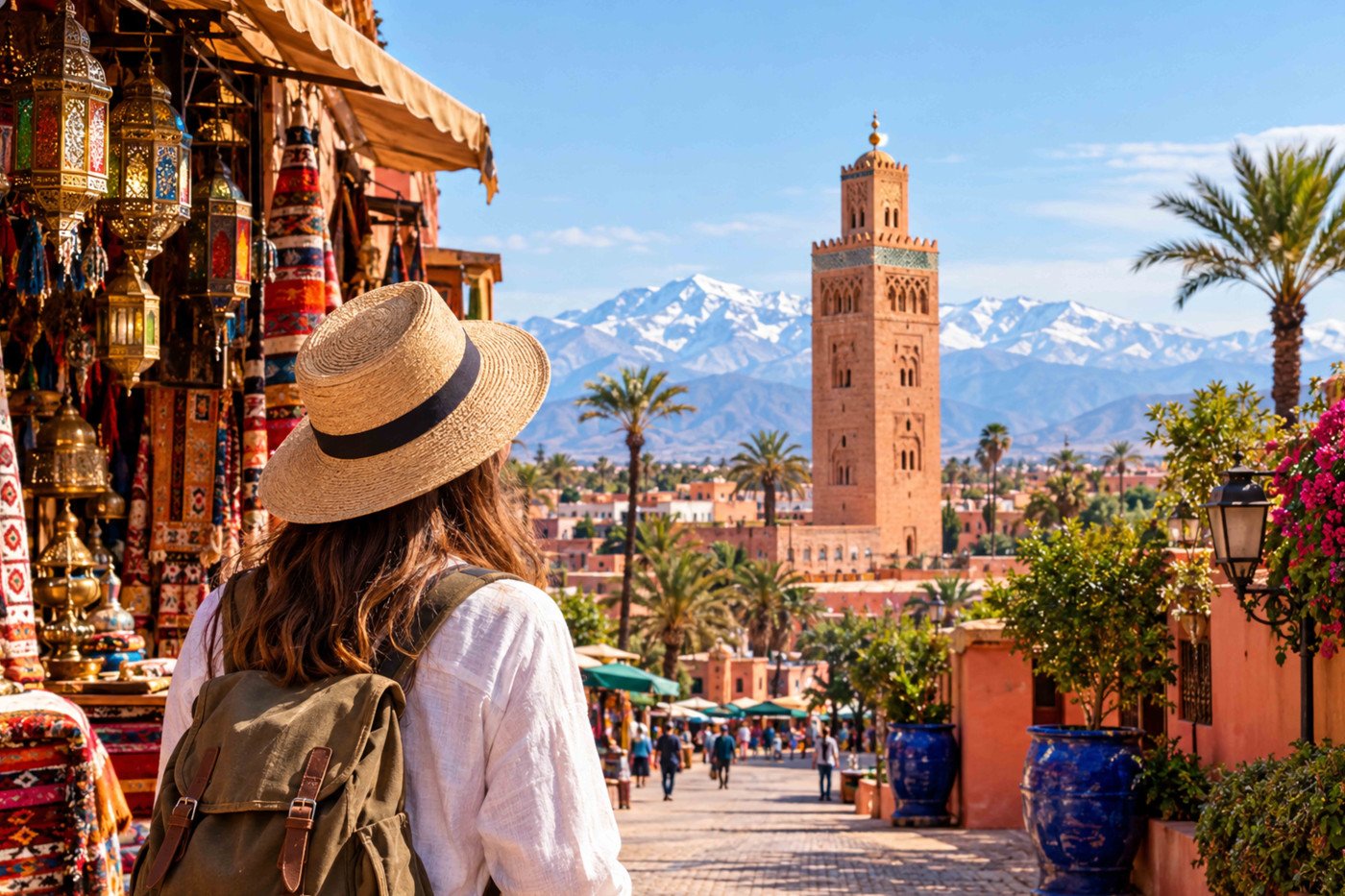
Fes is an excellent destination to combine with other Moroccan highlights. Its historic atmosphere complements the lively streets of Marrakech, the scenic landscapes of the Atlas Mountains, and the spectacular dunes of the Sahara Desert.
Depending on your available time, you could organize a journey through Morocco's imperial cities, a cultural tour combining Fes and Marrakech, or a multi-day desert adventure connecting Fes with Merzouga.
For travelers who want to discover several regions without organizing every detail themselves, a tailor-made tour can bring together transportation, sightseeing, accommodation, and memorable local experiences.
At Adventure to Morocco Travel Agency, we help travelers explore Morocco through private tours, cultural experiences, desert adventures, and customized itineraries. Whether you're beginning in Fes, arriving in Marrakech, or planning to travel across the country, we can help you organize a journey suited to your interests and schedule.
Ready to discover Fes and the rest of Morocco? Contact Adventure to Morocco Travel Agency to plan your Moroccan adventure.
Frequently Asked Questions About Fes
Is Fes worth visiting in Morocco?
Yes. Fes is an excellent destination for travelers interested in history, traditional craftsmanship, architecture, Moroccan cuisine, and cultural experiences. Its historic medina is one of the country's most important heritage sites.
What is Fes famous for?
Fes is famous for Fes el-Bali, its historic medina, traditional tanneries, historic madrasas, artisan workshops, and longstanding role as a center of education and Moroccan craftsmanship.
Is Fes el-Bali a UNESCO World Heritage Site?
Yes. Fes el-Bali is part of the UNESCO-listed Medina of Fez, recognized for its historic urban fabric and cultural significance.
How long should I spend in Fes?
One day is enough to see selected highlights, but two or three days allow you to explore the medina, museums, historic monuments, food, and traditional crafts at a more relaxed pace.
Is Fes safe for tourists?
Many travelers visit Fes without problems. As in any busy destination, remain aware of your surroundings, secure your belongings, use reputable guides when needed, and confirm prices before accepting services.
Can I visit Fes and the Sahara Desert on the same trip?
Absolutely. Fes is a common starting or finishing point for multi-day desert itineraries connecting Merzouga with other destinations in Morocco. Plan enough time for the long driving distances and overnight stops.
What should I buy in Fes?
Popular purchases include leather goods, traditional slippers, ceramics, metalwork, textiles, and handcrafted decorative items. Compare quality and prices before buying.
Do I need a guide to explore Fes's medina?
A guide is not compulsory, but it can be especially helpful for first-time visitors. A qualified local guide can explain the history, navigate the narrow streets, and introduce you to traditional crafts and local culture.